Bypassing the Algorithm: How Neighborhood Training Programs Are Placing Workers Before Jobs Ever Go Public
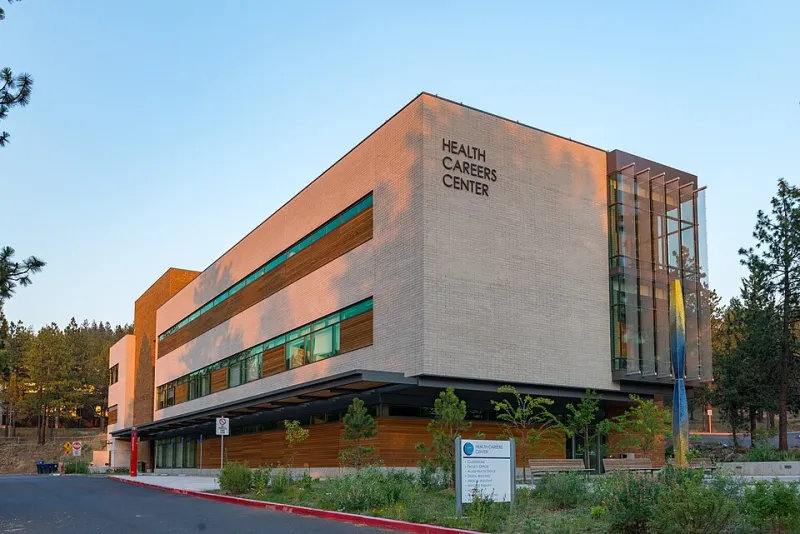
Photo: Gary Halvorson, Oregon State Archives, CC BY 4.0, via Wikimedia Commons
Every week, thousands of Americans spend hours refreshing job boards, tailoring résumés, and submitting applications into what often feels like a digital void. Meanwhile, a quieter hiring ecosystem operates just down the street—one that rarely announces itself online and almost never posts to the major platforms. At its center are community-based training programs, vocational institutions, and local business partnerships that have spent years cultivating the kind of employer trust that no algorithm can replicate.
Understanding how this hidden market functions—and more importantly, how to enter it—can fundamentally change your employment trajectory.
Why So Many Jobs Never Reach a Job Board
It is a widely cited but still underappreciated fact in workforce development circles: a significant share of positions are filled through internal referrals, direct outreach, and established relationships before a formal listing is ever created. For smaller and mid-sized regional employers, the cost and administrative burden of posting, screening, and interviewing through major platforms can be substantial. When a trusted local training provider calls with a vetted candidate, many employers simply say yes.
This dynamic is not accidental. It is the product of years of deliberate relationship-building between educational institutions and the businesses that hire their graduates. Community colleges, trade schools, and workforce development centers have long understood that their reputation depends not only on the quality of instruction they deliver, but on the employment outcomes their students achieve.
The Architecture of Local Employer Pipelines
At the foundation of this system are what workforce professionals call employer partnership agreements—formal or informal arrangements in which a business commits to interviewing, and often hiring, graduates from a specific program. These agreements exist at community colleges across the country, at vocational-technical centers in suburban and rural districts alike, and increasingly at nonprofit workforce development organizations operating in urban neighborhoods.
In practical terms, these pipelines work like this: a regional manufacturer partners with a local community college's machining or welding program. Students complete a curriculum co-designed with that employer's input. Before graduation, the company's HR team hosts an on-site information session or participates in a program-specific job fair. Offers frequently follow within weeks.
The same model appears in healthcare, information technology, logistics, construction, and the skilled trades. Hospitals partner with local certified nursing assistant and medical assistant programs. Regional logistics firms work with supply chain certificate programs at nearby colleges. Electrical contractors maintain close ties with apprenticeship programs run through local union halls and community training centers.
How to Identify Programs With Real Employer Relationships
Not every training program has cultivated meaningful employer ties, which makes it essential to ask the right questions before enrolling. When evaluating any local program—whether at a community college, a private vocational school, or a workforce development nonprofit—consider asking the following:
What is your program's job placement rate, and how is it measured? Reputable programs track graduate employment outcomes and can share specific data. Vague answers or an absence of data should prompt further scrutiny.
Which specific employers do you have active relationships with? A program coordinator who can name companies, describe the nature of those partnerships, and point to recent placement examples is demonstrating genuine connectivity. Generic responses about "industry relationships" are less reassuring.
Do employers participate in your curriculum or advisory boards? Employer involvement in program design is one of the strongest indicators that a real hiring pipeline exists. When a company helps shape the curriculum, they are invested in the graduates it produces.
Are there on-site learning opportunities, internships, or work-based learning components? These experiences do more than build skills—they create direct visibility with hiring managers before a candidate has ever submitted a formal application.
The Advantage of Being Known Before You Apply
One of the most underappreciated benefits of community-based training is the professional visibility it creates. When you complete a program that places students directly with regional employers, you are not an anonymous applicant in a digital queue. You are a known quantity—someone a program director can vouch for by name.
This dynamic shifts the hiring conversation in ways that are difficult to replicate through online job hunting. A program coordinator who calls a local employer contact and says, "I have a graduate I want you to meet," carries social capital that a cold application cannot. That introduction is built on a track record of reliable referrals, and it extends a degree of trust to the candidate that takes a job board applicant months of interviewing to establish.
For career changers, recent graduates, and workers reentering the labor market after a gap, this kind of institutional endorsement can be the difference between landing an interview and being filtered out by an applicant tracking system.
Finding These Programs in Your Community
Locating programs with genuine employer pipelines requires looking beyond the obvious. Start with your local community college's workforce or continuing education division—these departments frequently maintain industry partnerships that the college's academic programs do not. Similarly, your area's American Job Center (part of the federally funded workforce development network) can connect you to training programs that are explicitly tied to regional labor market demand.
Local chambers of commerce and economic development offices often maintain relationships with both training providers and employers, and their staff can sometimes point you toward programs that are not widely advertised. Industry-specific organizations—local chapters of trade associations, union apprenticeship programs, and sector-focused nonprofits—are also worth contacting directly.
When you search on EdNearMe, filtering by category and location can surface vocational programs, community college offerings, and workforce development centers operating in your ZIP code that you may never have encountered through a general web search.
Making the Most of Community-Based Learning Networks
Enrolling in a program is only the beginning. The candidates who benefit most from these employer pipelines are those who treat the training environment as a professional network from day one. Attend any employer-hosted events, even optional ones. Introduce yourself to guest speakers who work in your target industry. Ask your instructors about their professional contacts and whether introductions are appropriate.
Perhaps most importantly, take seriously the reputation you build within the program itself. Program coordinators refer graduates they trust. Demonstrating reliability, engagement, and professionalism in a training context signals to those coordinators that you are someone worth recommending—and in a local employer pipeline, that recommendation is often the first and most decisive step toward employment.
The hidden job market in your ZIP code is not hidden by design. It simply operates on a different frequency than the one most job seekers are tuned to. Shifting your attention toward the community-based institutions that have spent years building those employer relationships may be the most efficient career move you have not yet considered.