Beyond the Bookshelves: The Free Education Hiding Inside Your Neighborhood Library
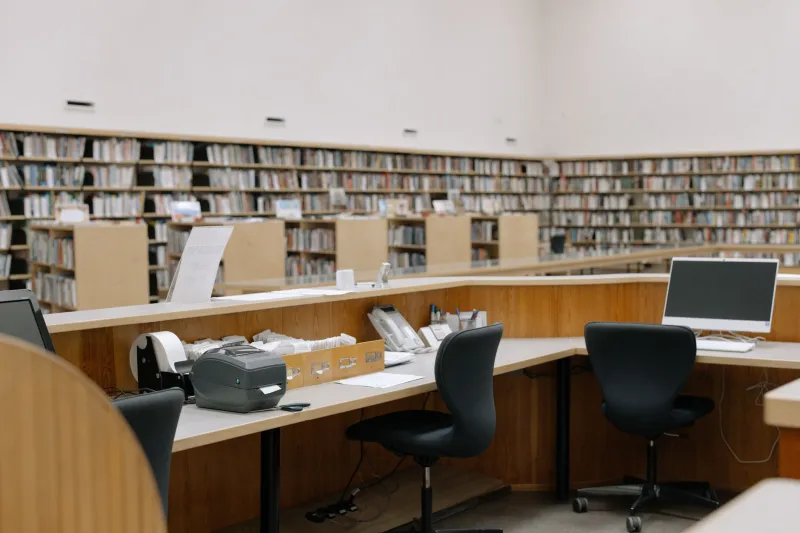
Ask most Americans what happens at their public library and you'll hear about book loans, story time, and maybe a quiet place to work. What far fewer realize is that many library systems now function as de facto community colleges—minus the tuition, the admissions process, and the parking permits.
From major metropolitan systems to single-branch rural libraries, the institutional shift toward active education has accelerated over the past decade. The result is a sprawling, free learning infrastructure hiding in plain sight.
The Scope of What Libraries Now Offer
Consider a few examples of what's happening across the country:
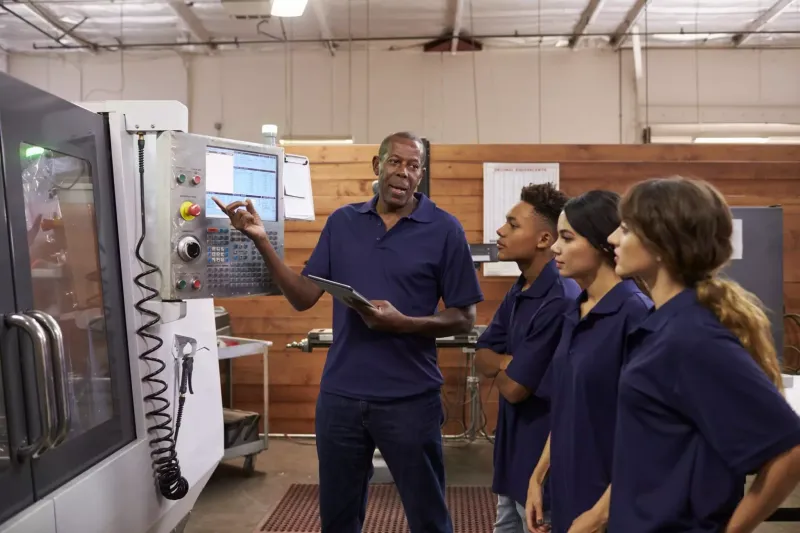
- Technology and coding instruction. Systems like the Free Library of Philadelphia and Los Angeles Public Library run structured digital literacy tracks, from basic computer skills to introductory programming, often with loanable laptops and free Wi-Fi hotspots for participants.
- Career services. Many branches employ or host career coaches who conduct résumé reviews, mock interviews, and job search workshops—services that private providers frequently charge hundreds of dollars to deliver.
- Language learning. Beyond app subscriptions like Mango Languages (free with a library card), branches in cities such as Houston and Chicago host conversation circles and formal ESL cohorts.
- Makerspaces and equipment lending. Libraries in Chattanooga, Kansas City, and elsewhere offer 3D printers, recording studios, sewing machines, and tool libraries that function as hands-on vocational exposure.
The pattern is consistent: libraries have moved from distributing information to actively teaching skills.
Why These Programs Stay Under the Radar
Library funding cycles tend to reward circulation counts and door traffic, not marketing. Programs are often staffed by librarians juggling multiple duties, and outreach budgets are minimal. A coding class that fills twelve seats may never be advertised beyond a poster in the lobby.
There's also a perception problem. Adults who haven't set foot in a library since childhood frequently assume the institution hasn't changed. It has—dramatically.
A Checklist for Unlocking Your Branch's Resources
If you want to find out what your local system actually offers, work through the following steps:
- Get the card first. Many digital resources—LinkedIn Learning seats, language apps, research databases—require a library card number, which typically takes minutes to obtain with proof of residency.
- Read the event calendar, not the website homepage. The calendar is where the real programming lives. Look for recurring series, which indicate sustained investment rather than one-off events.
- Ask a librarian directly. Frame it as a question about goals, not inventory: "I'm trying to change careers—what do you have that could help?" Staff know which programs fill quickly and which are under-enrolled.
- Check the system, not just the branch. Larger systems concentrate specialized services—makerspaces, career labs, test prep—at flagship or regional locations, usually a short drive away.
- Look at partnerships. Libraries frequently host community colleges, workforce boards, and nonprofits delivering on-site certification and training programs.
- Inquire about waitlists. Popular programs like citizenship classes or small business workshops often keep lists; getting on one early matters.
The Bottom Line for Local Learners
No single library program will substitute for a degree or a formal bootcamp. But as a supplement—or a starting point before committing money elsewhere—the value is difficult to overstate. The instruction is free, the environment is low-pressure, and the distance is measured in blocks rather than miles.
For anyone weighing a career change, a language goal, or a new technical skill, the most sensible first step may be the shortest one: walk into the branch nearest you and ask what they teach.